Broccoli Nutrition: Battle Cancer, Osteoporosis & Weight Gain
Ask any nutritionist, medical doctor, neuropath or nutrition
researcher what his or her personal list of “top 10 healthy foods” are,
and
cruciferous vegetables like broccoli are sure to show up on all of them.
It’s no wonder, considering the fact that broccoli is vegetable royalty — loaded with
cancer-fighting antioxidants,
fiber, and numerous vitamins and minerals. What are some proven
benefits of broccoli nutrition? It’s hard to know where to start!
Broccoli Nutrition Benefits
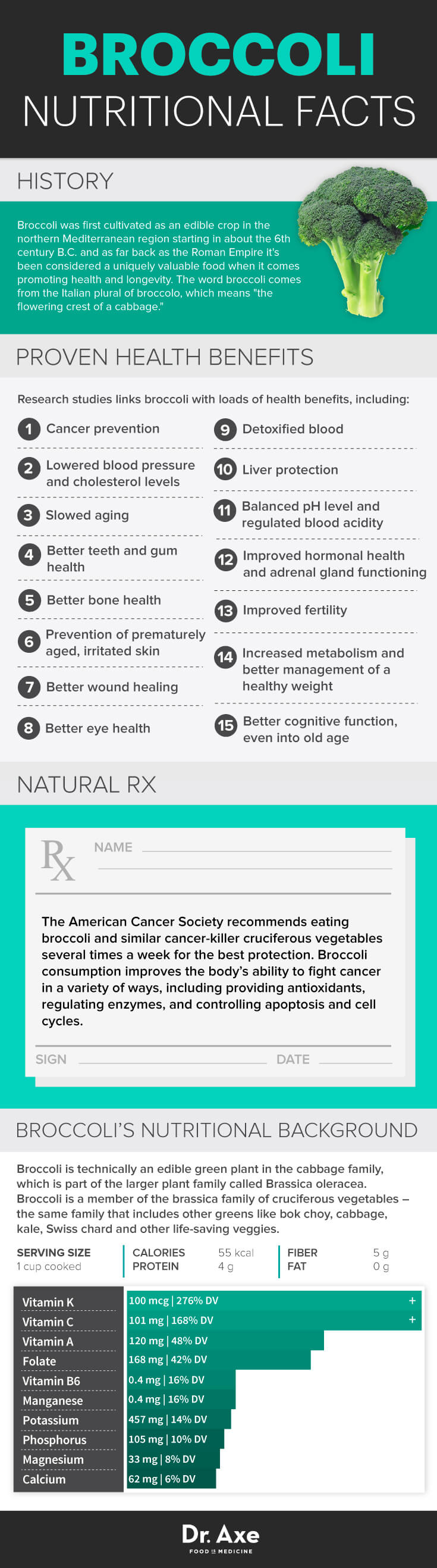
Broccoli was first cultivated as an edible crop in the northern
Mediterranean region starting in about the sixth century B.C., and as
far back as the Roman Empire, it’s been considered a uniquely valuable
food when it comes promoting health and
longevity. Research links broccoli and
cruciferous vegetable consumption with loads of health benefits, including these:
Like most green veggies, broccoli really shines when it comes to
cancer prevention. It’s now known that to a large extent, you can
effectively
prevent cancer with your diet,
and the cancer-protective properties of broccoli have been well
established in numerous studies. Even the American Cancer Society
recommends eating broccoli and similar
cancer-killer cruciferous vegetables
several times a week for the best protection. Broccoli consumption
improves the body’s ability to fight cancer in a variety of ways,
including providing
antioxidants, regulating enzymes, and controlling apoptosis and cell cycles. (
1)
Broccoli is a member of the brassica family of cruciferous vegetables
— the same family that includes other greens like bok choy, cabbage,
kale,
Swiss chard
and other life-saving veggies. These nutrient-dense vegetables are
excellent sources of a family of phytochemicals called isothiocyanates.
In addition to isothiocyanates, broccoli also contains sulforaphanes and
indoles — two types of strong antioxidants and stimulators of
detoxifying enzymes that protect the structure of DNA. (
2)
Broccoli is also full of minerals and vitamins, like
vitamin B6
that helps with heart and brain health. Broccoli nutrition benefits
heart health by preventing heart attacks and strokes and keeping
arteries clear, in addition to
correcting high cholesterol and high blood pressure.
Broccoli even has benefits when it comes to your appearance. Broccoli’s
high levels of vitamin A is necessary for skin health, eye health and even fertility. And a derivative of
vitamin A found in broccoli, beta-carotene, is essential for liver health, immune functioning and has been shown to fight cancer.
Broccoli Nutrition Facts
Broccoli is technically an edible green plant in the cabbage family, which is part of the larger plant family called
Brassica oleracea. Because it’s so tied to cabbage and has many of the same nutrition benefits, the word broccoli comes from the Italian plural of
broccolo, which means “the flowering crest of a cabbage.”
Apart from its demonstrated cancer-fighting abilities, broccoli is
considered a nutritional powerhouse when it comes to supplying high
levels of vitamins and minerals. As you can see below, broccoli is a
naturally high source of dietary fiber, plant-based protein,
vitamin K, A, C and more.
One cup of cooked broccoli has about: (
3)
- 55 calories
- 4 grams protein
- 5 grams fiber
- 0 grams fat
- 100 micrograms vitamin K (276 percent DV)
- 101 milligrams vitamin C (168 percent DV)
- 120 milligrams vitamin A (48 percent DV)
- 168 micrograms folate (42 percent DV)
- 0.4 milligrams vitamin B6 (16 percent)
- 0.4 milligrams manganese (16 percent)
- 457 milligrams potassium (14 percent DV)
- 105 milligrams phosphorus (10 percent DV)
- 33 milligrams magnesium (8 percent DV)
- 62 milligrams calcium (6 percent DV)
7 Health Benefits of Broccoli
1. Fights Cancer
As you just learned, broccoli is one of the best
natural cancer treatments
and sources of isothiocyanate compounds that fight cancer by lowering
oxidative stress, neutralizing carcinogens and battling toxins. (
4) They do this by reducing the poisonous effects of toxins from a poor diet, environmental exposure,
heavy metals and the aging process.
Isothiocyanates work by stimulating the release of special
“carcinogen killer chemicals” that speed up the removal of toxins from
the body. Many studies show that
high-antioxidant foods
like cruciferous veggies inhibit cancerous tumor growth and stop DNA
damage from occurring, so they’re known to significantly lower the risk
of colon,
prostate, gastrointestinal, breast, lung and other cancers.
In addition to offering high levels of isothiocyanates, broccoli
nutrition is also valuable for cancer prevention because of high levels
of a phytochemical called sulforaphane. This disease-preventing compound
increases the activation of enzymes known as phase 2 enzymes that
powerfully fight toxins in the body. (
5)
In fact, sulforaphane is the most potent inducer of phase 2 enzymes of
any known phytochemical and helps reduce the risk of some of the
deadliest forms of cancer, including
prostate cancer.
Cruciferous vegetables are linked with a reduced risk of breast and
cervical cancers, which makes them especially important for women. This
is due to their
effects on estrogen
within the body: They increase the ratio of good estrogen metabolites
(the kind that are not benign and not linked with cancer growth) but
reduce the kind that’s potentially harmful. Men also naturally have
lower levels of estrogen present in their bodies so broccoli helps
prevent estrogen-related cancer for men, too.
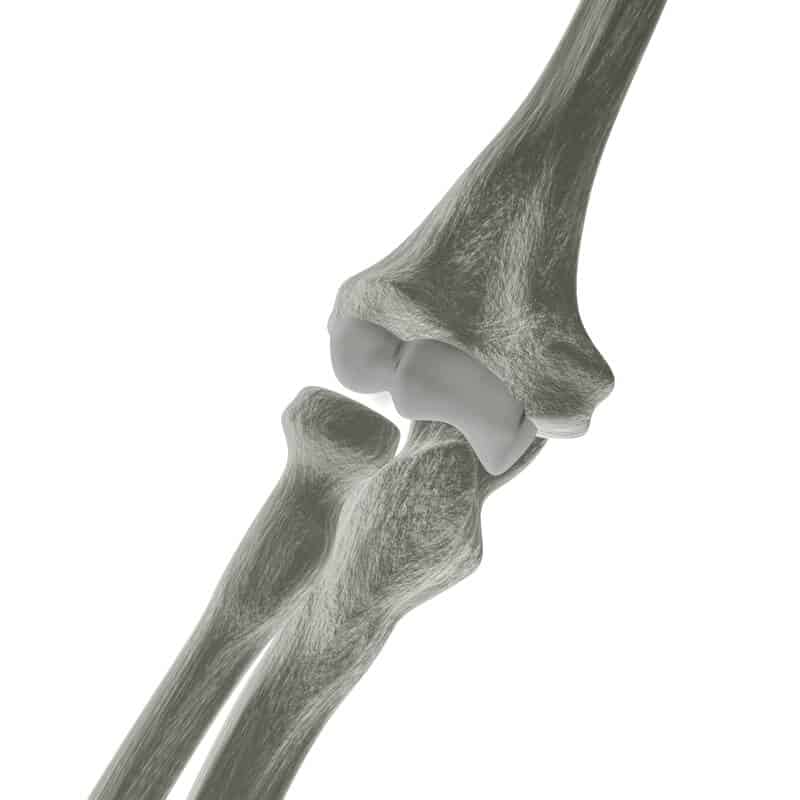
2. Maintains Strong Bones
Broccoli is an excellent source of vitamin K, calcium,
magnesium and
potassium, which are essential for healthy bones, nails and teeth.
High levels of vitamin K and
iron are vital for maintaining bone mineral density (in addition to having many other benefits like promoting blood health and
boosting your energy levels).
Some even say that
vitamin K builds bones better than calcium, and
just one cup of broccoli provides over 270 percent of your daily
vitamin K needs! There’s evidence in human intervention studies that
vitamin K and
vitamin D work together to positively impact bone metabolism and that a
vitamin K deficiency or
vitamin D deficiency increases
risks for bone-related diseases. Vitamin K also positively affects
calcium balance, a key mineral in bone metabolism. (
6)
Calcium found in broccoli is also crucial for preventing
calcium deficiency plus building and
maintaining strong teeth
and bones — especially into older age when people become more
susceptible to bone breaks, fractures and bone density loss. If your
body doesn’t get enough calcium, it steals calcium from your bones to
help keep a steady amount in your blood, so including more broccoli in
your diet is a
natural osteoporosis treatment and prevention method.
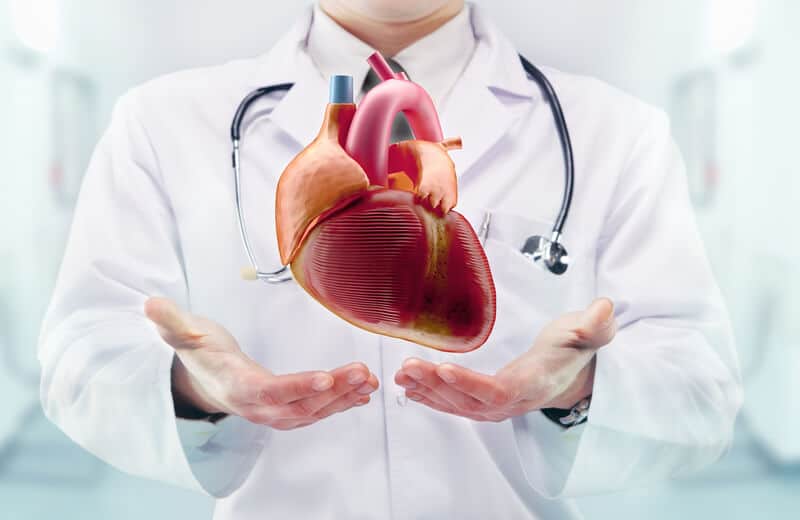
3. Maintains Heart Health
Epidemiologic studies published in the
American Journal of Clinical Nutrition readily
show that higher fruit and vegetable intake, especially cruciferous
veggie intake, is correlated with a lower risk of cardiovascular
disease. (
7,
8) The high-fiber content of broccoli is excellent for
lowering cholesterol naturally and fast. It prevents cholesterol from entering your bloodstream by binding to it and removing it from the body.
Sulforaphane in broccoli can also significantly improve high blood
pressure levels as well as kidney function, while the compound called
lutein present in broccoli can prevent thickening of the arteries and
plaque buildup that can lead to cardiac arrest.
Broccoli also packs high levels of minerals important for reduced inflammation,
fighting free radical damage and protecting cardiovascular health. These include calcium,
potassium and
magnesium.
For example, it’s well-known that calcium plays some pivotal roles in
keeping bones healthy and strong, but it also helps your blood to clot
and keeps your muscles and nerves working properly.
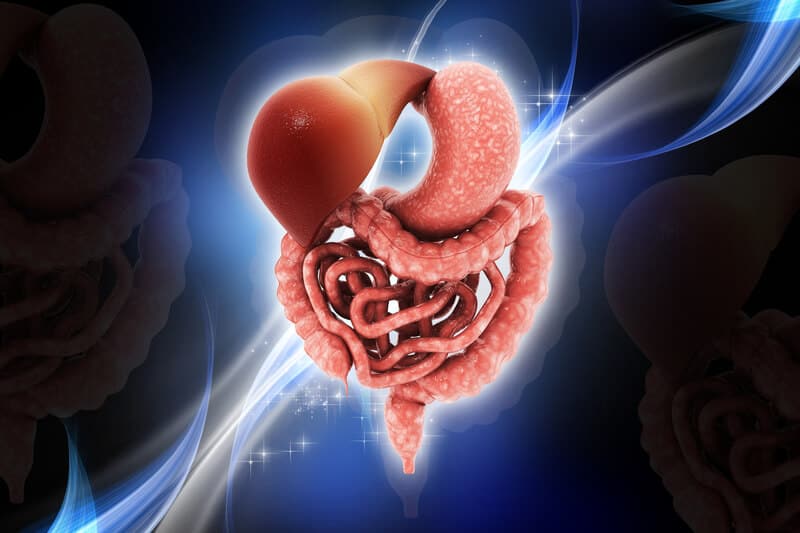
4. Increases Gut and Digestive Health
In addition to promoting heart health,
high-fiber foods also keep the digestive system flushed and healthy. Eating whole foods as part of a
high-fiber diet promotes regular bowel movements; better gut and colon health; a more
alkaline digestive tract (which boosts immunity); and
prevention of constipation,
IBS and other digestive disorders.
Isothiocyanate sulforaphane compounds abundant in broccoli also
powerfully fight against harmful bacteria within the gut and prevent
oxidation than can lead to cancer within the digestive organs.
Studies conducted by the Division of Clinical Pharmacology at Tokyo
University of Science found that when mice are fed diets high in
broccoli, they experience reduced gastric bacterial colonization, lower
expression of tumor growth and inflammation, and higher antioxidant
activity that increases immunity. (
9)
Broccoli further supports the body’s natural detoxification processes
due to its phytonutrients glucoraphanin, gluconasturtiian and
glucobrassicin that aid in
liver function and help cleanse the blood.
5. Maintains Eye Health and Vision
A lesser known benefit of broccoli nutrition is how it saves your
eyes from age-related disorders. Broccoli positively impacts eye health
thanks to high levels of the carotenoids called lutein and zeaxanthin,
which are crucial for eye health and maintaining good vision into old
age.
They help protect night vision and stop UV damage from occurring within the eyes’ retina and cornea. A diet high in
foods like broccoli that provide antioxidants,
vitamin C and
vitamin A is a
natural treatment for macular degeneration, which is the leading cause of blindness in older adults.
6. Promotes Healthy Skin
Want to maintain healthy, youthful-looking skin even into older age?
Eat more broccoli — thanks to it’s sulforaphane that helps repair skin
damage, broccoli nutrition benefits the look, feel and health of skin.
Its high levels of vitamin A and
vitamin C prevent collagen breakdown,
skin cancer, UV damage, wrinkles and skin inflammation.
7. Helps with Weight Loss
Broccoli is one of the most nutrient-dense foods on earth. One cup of
cooked broccoli has just over 50 calories, but a good dose of fiber,
protein and detoxifying phytochemicals. As a complex carbohydrate
high in fiber, broccoli is a great choice for supporting balanced blood sugar levels, ongoing energy and helping you to feel full.
Want to know a
secret to losing weight fast?
Including more high-volume. low-calorie, high-nutrient foods in your
meals. Broccoli is high in volume due to having a high water content, so
it takes up room in your stomach and squashes cravings or overeating
without adding lots of calories to meals at all.
History of Broccoli
Broccoli has been eaten and valued among Italians for centuries. It’s
native to the eastern Mediterranean and Asia Minor, and its history is
linked with the Ancient Romans, who often sprouted and ate it with many
types of meals. It was first brought to England in the mid-18th century
and then was introduced to the United States by Italian immigrants, but
it didn’t actually become widely known until the 1920s, which is
surprising if you consider how popular it is today.
Although it might be considered a newer vegetable, broccoli nutrition
is now praised around the world, and it’s eaten as part of nearly every
cuisine there is, from Indian and Japanese to American and
French. Today, the largest producers of broccoli are China, India,
Italy, Mexico, France, Poland and the U.S.
Many different types are eaten throughout the world, including
Chinese broccoli and Rapini (called broccoli rabe in the U.S.). Other
less common types include Tenderstem broccoli (which is a cross between
broccoli and chinese broccoli) and Beneforté, which is a rare variety of
cross-bred broccoli containing two to three times more glucoraphanin
compounds than standard broccoli.
How to Buy and Cook Broccoli
It’s important to buy organic broccoli whenever possible —
considering that the Environmental Working Group lists it as one of the
most chemically sprayed veggies there is year after year. While you can
always look for broccoli that’s raw and fresh at farmers’ markets and
grocery stores, buying frozen organic broccoli is a good option too and
can save you some money.
The broccoli head or tree-like florets are the most popular parts to
eat, but the entire stock of broccoli is edible and packed with
nutrients. Many health experts recommend eating the stalks, since they
can be considered a
high-fiber food, along with eating the leafy greens attached to the stalks that hold high levels of nutrients.
Broccoli is perfectly edible raw, although it has the potential to
cause stomach aches more so when it’s uncooked compared to when it’s
cooked. Broccoli’s nutrients can be delicate to high-heat cooking, so
it’s best to cook it at low temperatures and for short periods of time
whenever possible.
Broccoli can easily burn and become water-logged when it’s overcooked
— and we all know how unappetizing that can be. Some easy ways to cook
broccoli until it’s just soft and its flavor enhanced is to sauté it
with some olive oil on the stove for less than 10 minutes, quickly
blanch it in some boiling water for several minutes or roast it for
about 20 minutes in the oven.
You can also quickly steam broccoli in minutes by adding it to a
large covered pot with a few tablespoons of water and letting it steam
for four to five minutes or until tender (this is a great way to
preserve a high level of nutrients).
Healthy Broccoli Recipes
How can you use broccoli at home in more recipes? Easy: Take
advantage of all that broccoli nutrition has to offer by roasting it
with some lemon and garlic to make a simple side dish, adding some to
whole grain pasta or grain dishes, blending it into pesto and other
sauces, topping a salad with some either raw or cooked broccoli, and
adding “broccoli slaw” to sandwiches or tacos.
Broccoli goes well with lots of different flavors and types of
cuisines, and it can be eaten with breakfast, lunch or dinner. Try
combining it with olive oil,
garlic, tomatoes, onion, lemon,
parsley,
ginger, curry and other spices. It’s also beneficial to eat broccoli with some sort of healthy fat like olive or
coconut oil,
since certain vitamins are fat-soluble, meaning they’re digested and
absorbed or transported in the body only with fat. These include vitamin
A,
vitamin D,
vitamin E and vitamin K.
Here are some ideas for simple, healthy ways to use broccoli:
Total Time: 5 minutes
Serves: 2–4
INGREDIENTS:
- 1 bunch broccoli
- 1/2 cup sunflower seeds
- 1/2 cup raisins
- 1/2 cup chopped green onions
- 3/4 cup vegenaise
- 2 tablespoons red wine vinegar
- stevia to taste
DIRECTIONS:
Mix all ingredients in a large bowl. Refrigerate before serving.
Raw Veggie Salad Recipe — a nutrient-dense salad made with a combination of different raw veggies, this one comes together in minutes.
Potential Concerns with Eating Broccoli
Some people are concerned about eating cruciferous vegetables and a connection to
thyroid problems.
Luckily, there isn’t much to worry about there, and according to the
research, it would take a large amount of cruciferous vegetables to
cause any type of hypothyroidism. It also appears to be a risk primarily
for people who have an existing
iodine deficiency.
My advice if you have a thyroid issue is to consume cruciferous
vegetables that have been cooked and to keep them to about one to two
servings daily, but otherwise most people can greatly benefit from
eating plenty of broccoli and other cruciferous veggies to their hearts’
content.
From the sound of it, you might think leaky gut only affects the
digestive system, but in reality it can affect more. Because Leaky Gut
is so common, and such an enigma, I’m offering a free webinar on all
things leaky gut
 These
plants are also able to prevent cancer and reduce cholesterol. In
diabetes mellitus, especially non-insulin dependent (NID diabetes),
Scent may lower blood sugar levels and protect the pancreas cells that
produce insulin from damage.
These
plants are also able to prevent cancer and reduce cholesterol. In
diabetes mellitus, especially non-insulin dependent (NID diabetes),
Scent may lower blood sugar levels and protect the pancreas cells that
produce insulin from damage.